Concrete Steps & Porches in Buffalo, NY
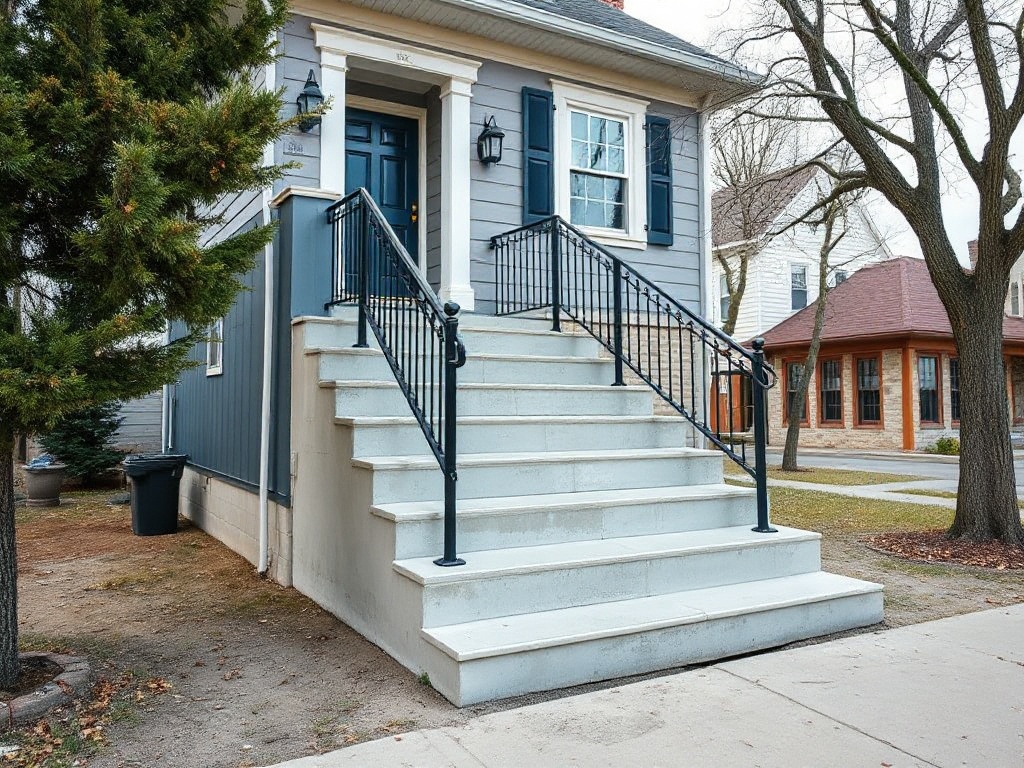
Crumbling front steps, a sinking stoop, or block porch letting water into your basement. We tear it out, put proper footings under it, and pitch it so water runs away from the house.
Steps That Stop Moving
Front steps are the single most common concrete failure on older Buffalo homes, and it is almost always the same cause: they were poured on fill instead of a proper footing, so frost lifted them, and once they moved they started pitching water back toward the house. A surprising number of wet-basement calls we get turn out to be a porch or a set of blocks dumping runoff against the foundation. We rebuild steps and stoops on footings carried below the 48-inch frost line, and we set the pitch so water leaves the building instead of collecting at it.
- Footings carried below the 48-inch frost line so frost cannot lift the steps
- Pitched away from the house to carry water off the porch and away from the foundation
- Full tear-out and haul-away of the old steps, blocks, or stoop
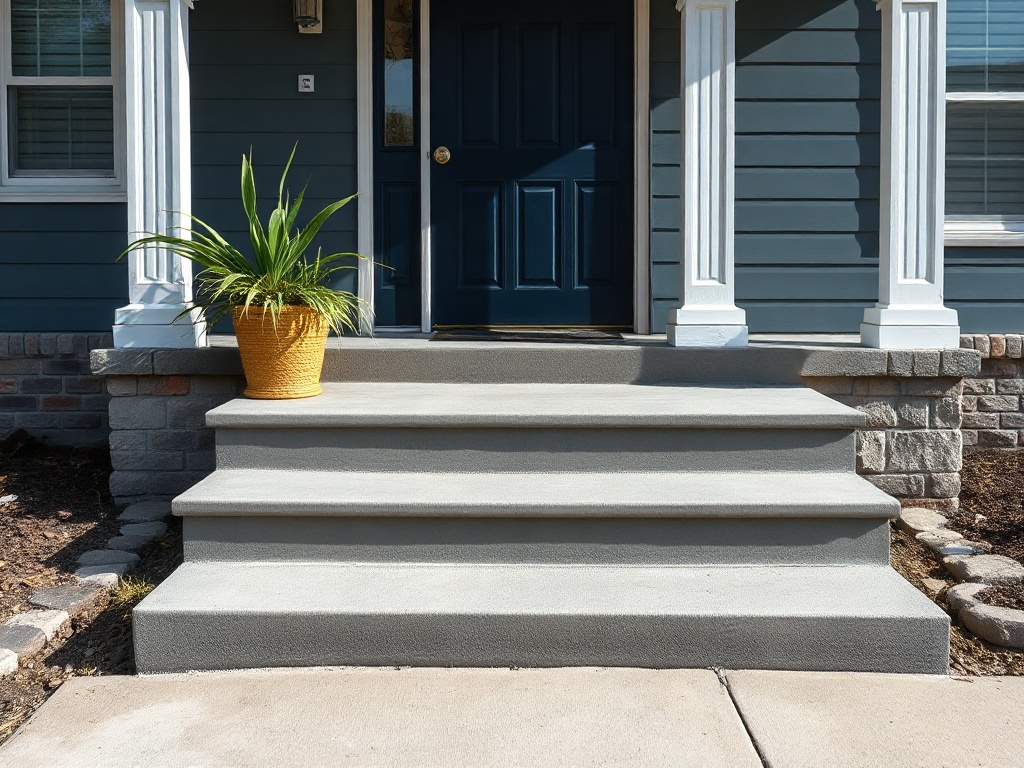
- Broom, exposed aggregate, or stamped finish to match the house
- Handrail anchors set into the pour where you want them
- Sealed against road salt, which hits steps harder than any other flatwork
What We Build Into Every Residential Pour
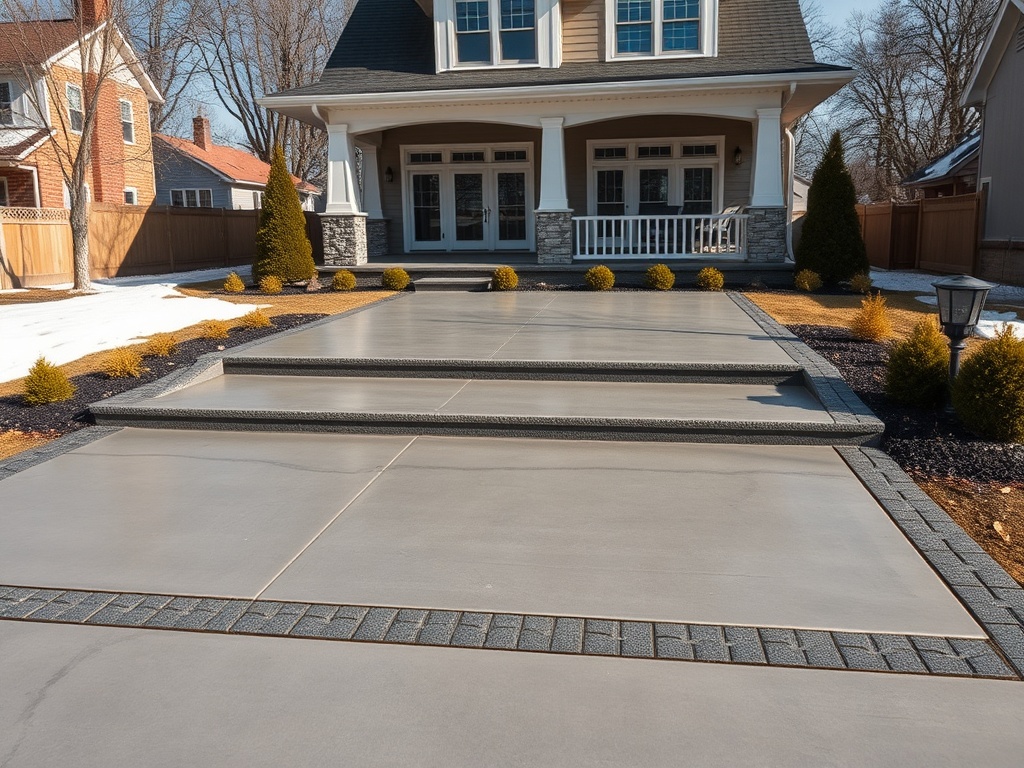
Concrete that survives Buffalo winters comes down to the mix, the base, and the steel. These are not upgrades on our jobs. They are the baseline on every residential pour.
5,000 PSI Air-Entrained Driveway Mix
We pour driveways at 5,000 PSI air-entrained concrete. Most crews in this market use 3,500 to 4,000. The microscopic air bubbles give freeze-thaw water room to expand instead of cracking the slab, which is the single biggest reason a Buffalo pour lasts 30 years or spalls in five.
Steel Mesh and Fiber Mesh
We run both on the same pour. It costs us more per yard and we do it anyway: fiber mesh controls the fine shrinkage cracking as the slab cures, and steel mesh keeps any crack that does form from opening up and spreading.
5 to 6 Inch Driveway Thickness
We pour residential driveways at 5 to 6 inches and patios and walkways at 4 inches, with a thickened 6-inch edge wherever vehicles load the slab so the perimeter does not crack under wheel weight.
Sub-Base Below the 48-Inch Frost Line
Every pour sits on 4 to 8 inches of compacted crushed stone that drains water away from the slab. Buffalo frost reaches 48 inches, and a proper granular base is what keeps frost heave from lifting and cracking the concrete.
Control Joints Every 8 to 10 Feet
Concrete will crack; our job is deciding where. We saw-cut or tool control joints at the right spacing and depth, usually every 8 to 10 feet, so shrinkage cracks stay hidden inside the joints instead of wandering across the surface.
Penetrating Salt-Resistant Sealer
Erie and Niagara County roads are salted heavily all winter. We finish exterior flatwork with a penetrating sealer that blocks chloride from road salt and deicer, preventing the surface scaling and spalling that destroys unsealed concrete.
How We Work
Free Measure & Quote
We look at what is moving and why, check where the water is going, and give you the written price before we leave.
Tear-Out & Footings
The old steps come out and we dig footings below frost depth. This is the part other crews skip, and it is why their steps move.
Form & Reinforce
We form the risers and treads to code-consistent rise and run, set steel, and build in the pitch away from the house.
Pour, Finish & Seal
We pour, finish to the texture you picked, tool the joints, and seal it once cured against salt.
Recent Concrete Steps & Porches Projects
Real work we have done for Buffalo-area homeowners.
Get a Written Quote for Your Project
No-pressure estimates, usually the same day. Tell us about your concrete steps & porches project and we will get back to you fast.
Frequently Asked Questions
Why do concrete steps in Buffalo crack and pull away from the house?
Nearly always because there is no real footing under them. If the steps sit on fill or on a shallow pad, the 48-inch frost depth here lifts them every winter and drops them every spring. Once they have moved, the joint at the house opens up and water starts running in. Repointing or patching does not fix that, because the cause is under the ground.
Can you just repair my existing steps instead of replacing them?
If it is a small chip or a spalled edge, sometimes. But if the steps have settled, separated from the house, or are scaling through, a patch will fail within a winter or two and you will have paid twice. We would rather tell you that up front.
My porch is sending water into my basement. Can you fix that?
Usually yes, and it is one of the more common jobs we do. Rebuilding the steps or porch on proper footings with the correct pitch, and regrading the soil beside it, moves the water away from the foundation. What we do not do is interior waterproofing or repairing foundation walls themselves. That is a different trade.
Can you pour concrete in the winter in Buffalo?
Outdoors, our pour season is May 1 through October 31. Once nighttime lows reach the 30s we stop, because the pour will crack. Driveways are doubly impossible in winter: Buffalo's overnight parking ban means you have to park in your driveway, and new concrete cannot be parked on for 21 days. Indoors we pour year-round, so basement floors, garage floors, pole barn slabs and sidewalks are all winter work.
Why is there a minimum charge on a small concrete pad?
Ready-mix suppliers charge a short-load fee of $1,200 to $1,400 for anything under a full truck, and fuel costs made that standard across Western New York over the last two years. So an 8x8 shed pad is only about one yard of concrete, roughly $300 of material, but it still carries a $3,200 minimum. That is not markup. It is what it costs to get a truck to your curb, and we would rather you know before we come out.
Do you warranty against cracking?
Honestly, nobody in Buffalo can. Concrete cracks here, because freeze-thaw and ground movement guarantee it. Two identical driveways poured the same day by the same crew: one is perfect for ten years, one cracks next spring. What we do is control it. We pour driveways at 5,000 PSI when most crews use 3,500 to 4,000, we run steel mesh and fiber mesh together so a crack cannot widen, and we place enough relief joints that the cracking happens down in the joints where you will not see it. The ready-mix supplier we buy from stands behind the material itself.
How fast can I get an estimate?
We guarantee 48 hours from your call to us being at your door, and it is usually quicker. We measure everything, walk the job with you, and you get the written PDF price before we pull out of your driveway. Then we call to make sure you could open it and answer anything you want to go over.
Concrete Cracks in Buffalo. We Control Where.
Any contractor who promises you crack-free concrete in Western New York is selling you something. Freeze-thaw and ground movement guarantee it eventually. Two identical driveways poured the same day by the same crew: one is perfect for ten years, one cracks next spring.
So we engineer for it instead. We pour driveways at 5,000 PSI when most crews use 3,500 to 4,000. We use steel mesh and fiber mesh together, so when a crack forms it cannot widen. And we place enough relief joints that cracking happens down in the joints, where you will never notice it. The ready-mix supplier we buy from stands behind the material itself.
Other Services We Offer
CIT Concrete handles every concrete need in the Buffalo area under one roof.
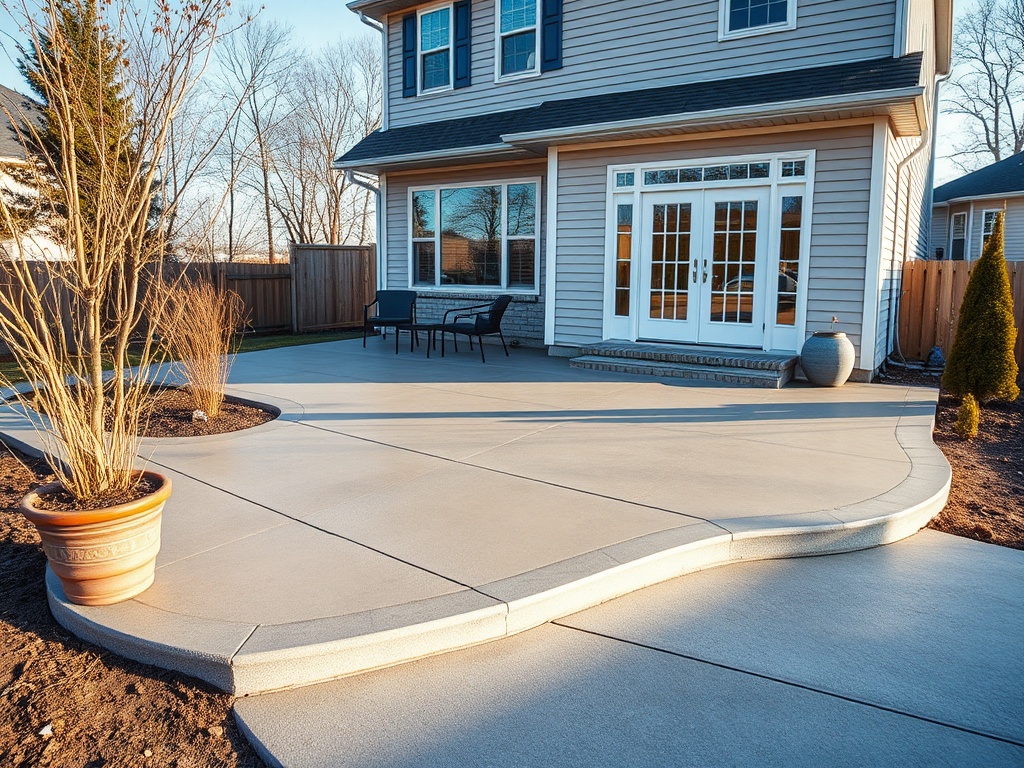
Concrete Driveways
New driveways, replacements, and decorative upgrades. 5,000 PSI air-entrained mix, frost-depth base, and salt-resistant sealer.
View service →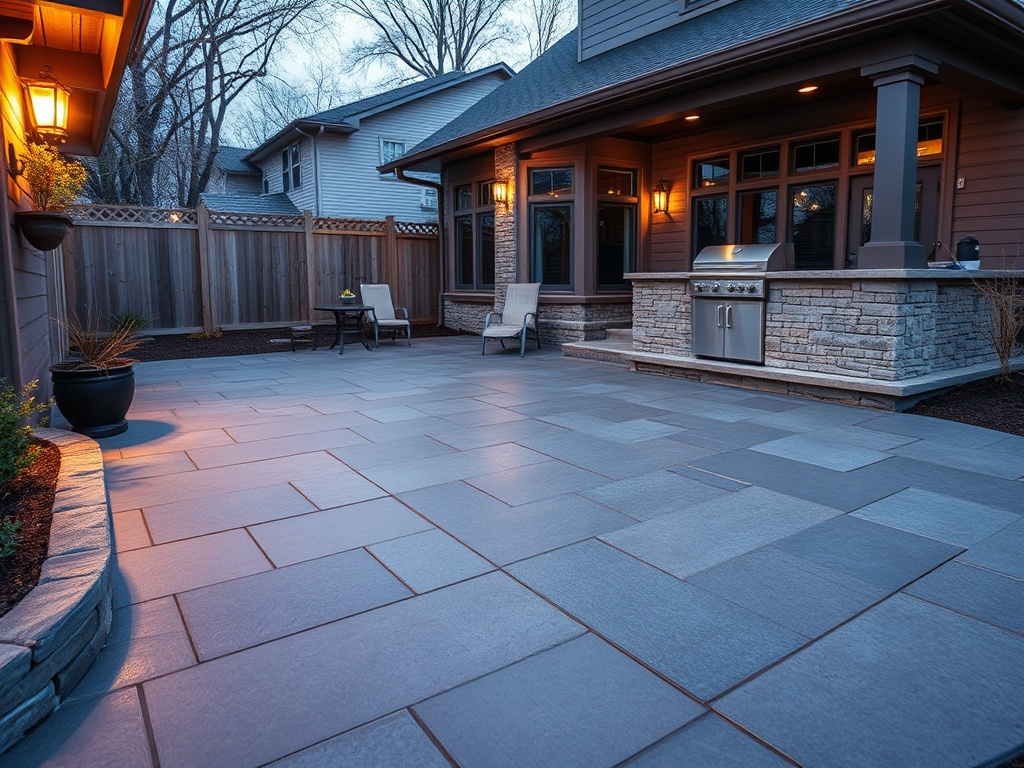
Stamped Concrete
Stone, slate, brick, and wood-plank patterns in integral color, poured on a freeze-thaw rated slab and sealed against road salt.
View service →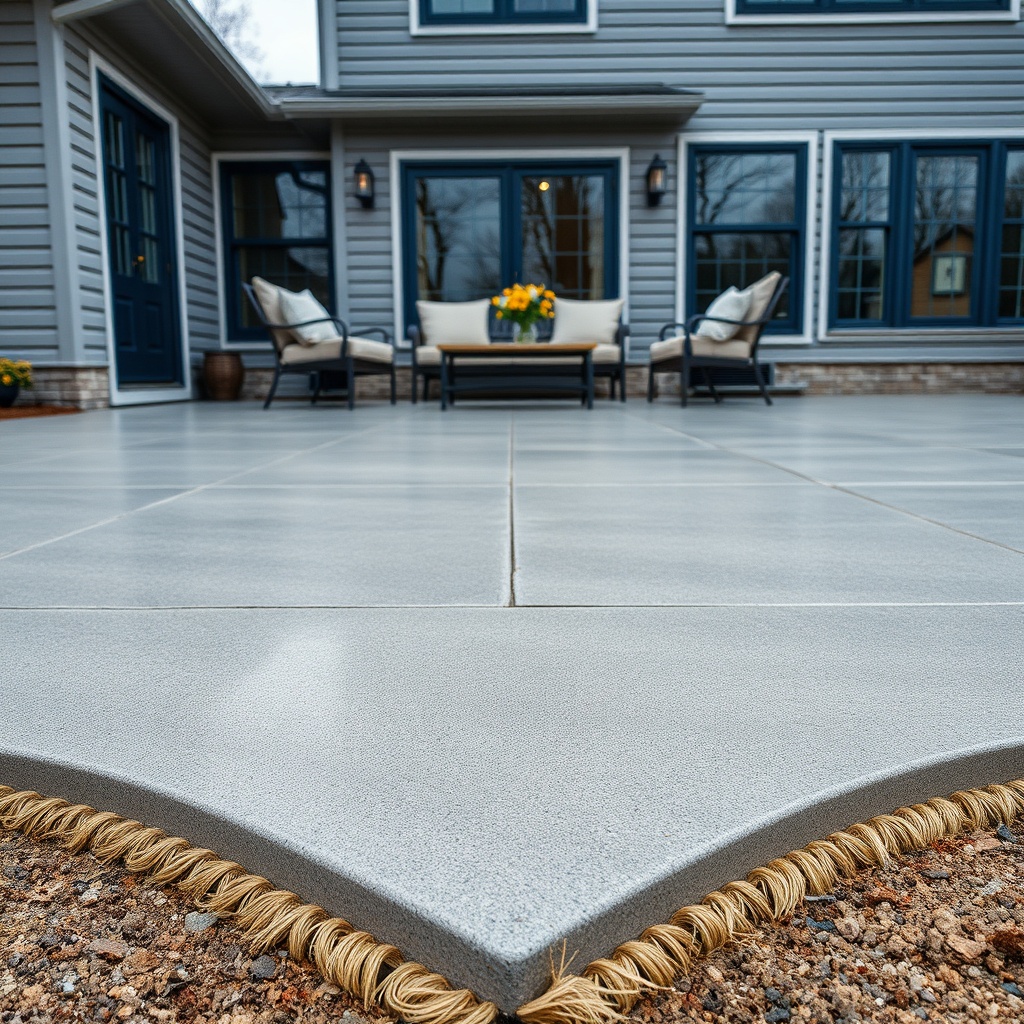
Patio Installation
Custom concrete patios built to survive Buffalo winters. Freeze-thaw rated mix designs and proper joint placement, every pour.
View service →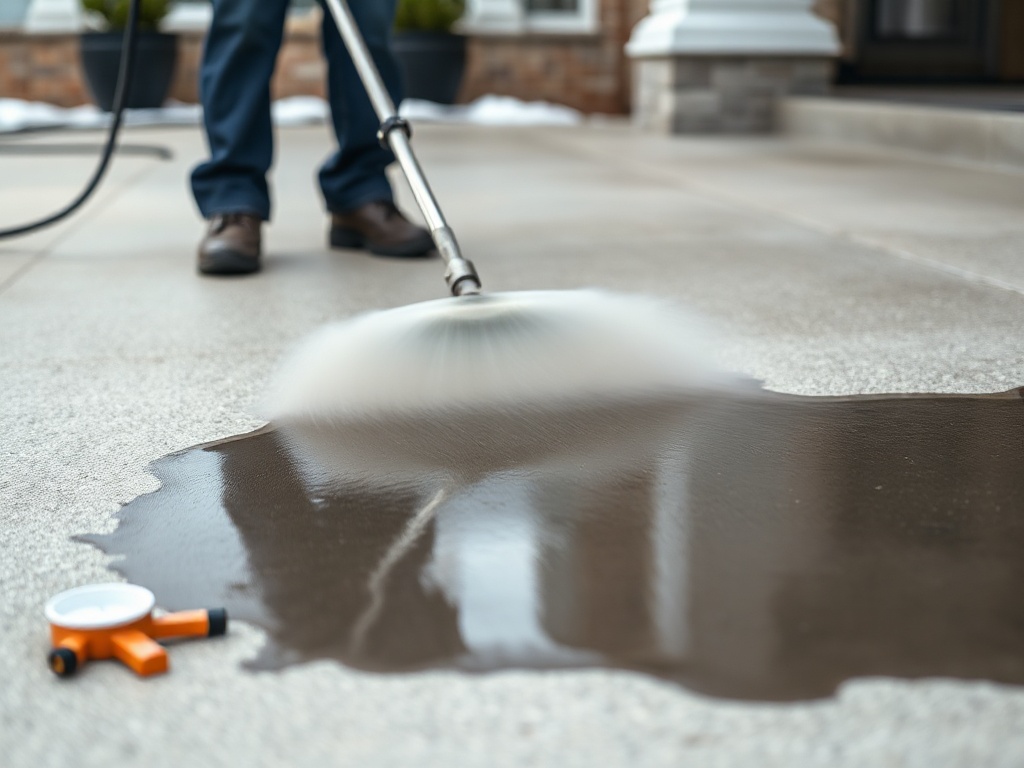
Concrete Sealing
Road salt is what pits Buffalo concrete. We seal roughly 500 driveways between September 10 and November 10 every year.
View service →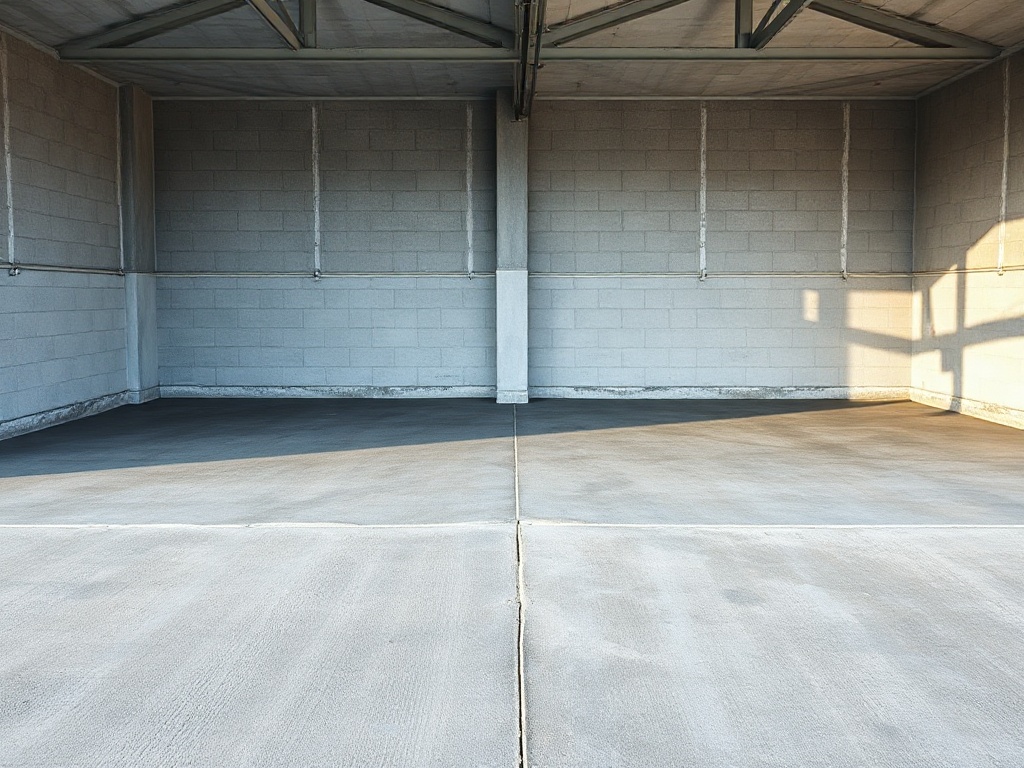
Garage Floors
New garage slabs and replacements, poured to handle vehicle weight, road salt drip, and freeze-thaw. Pourable through the winter.
View service →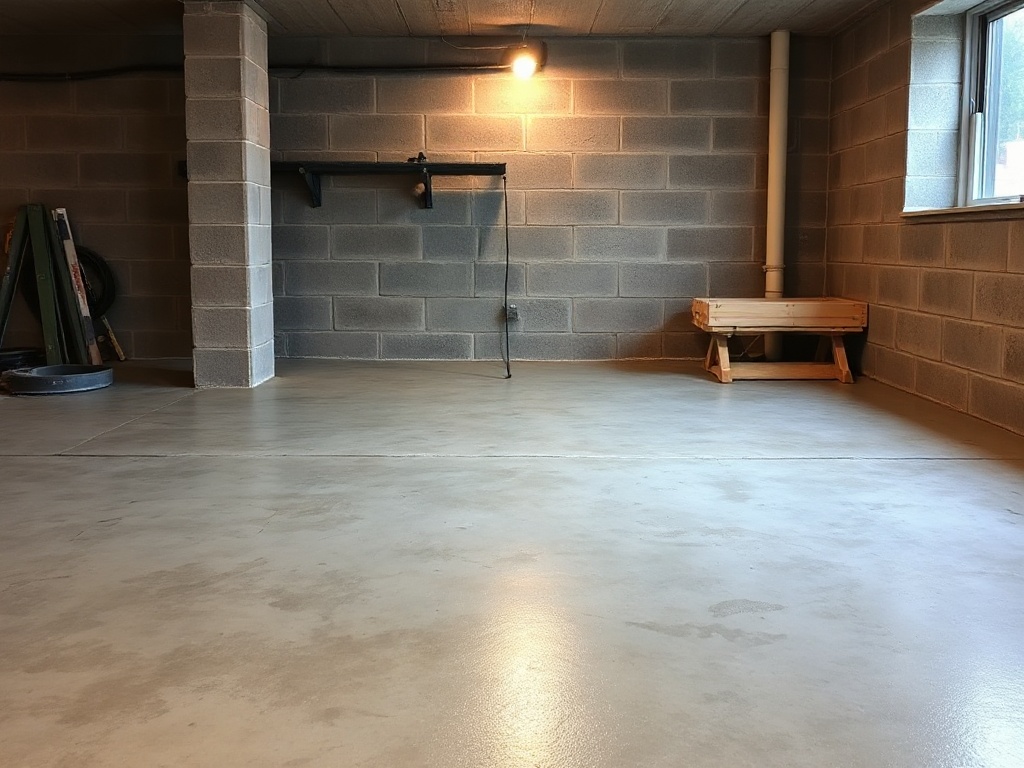
Basement Floors
New and replacement basement slabs, poured year-round because the work is indoors. Vapor barrier and proper base included.
View service →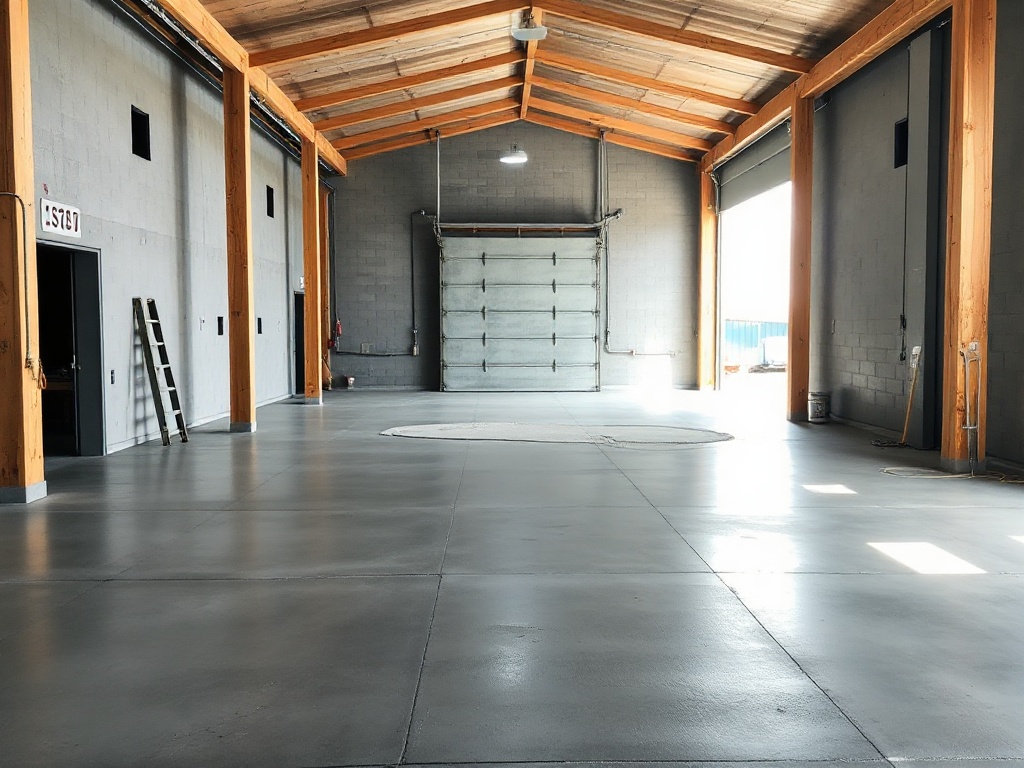
Pole Barn Slabs
Thickened-edge slabs for pole barns, shops, and outbuildings, sized to your equipment loads. Another one we pour in winter.
View service →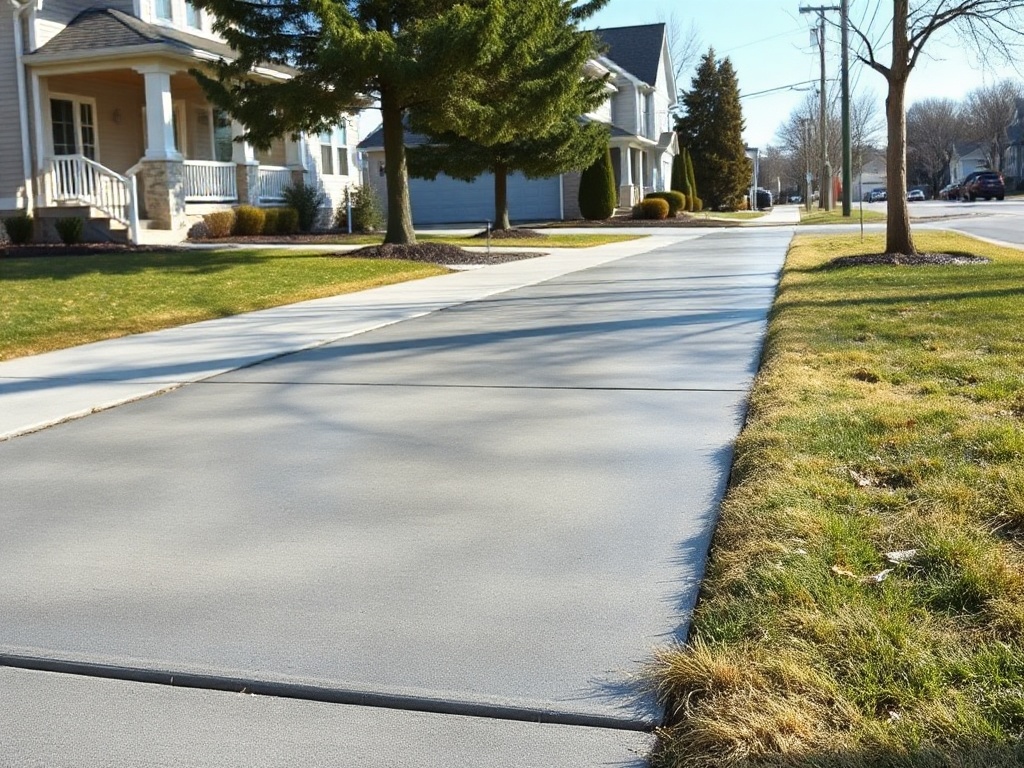
Sidewalks & Walkways
City sidewalk replacement, front walks, and pathways, poured to municipal spec with correct pitch and jointing.
View service →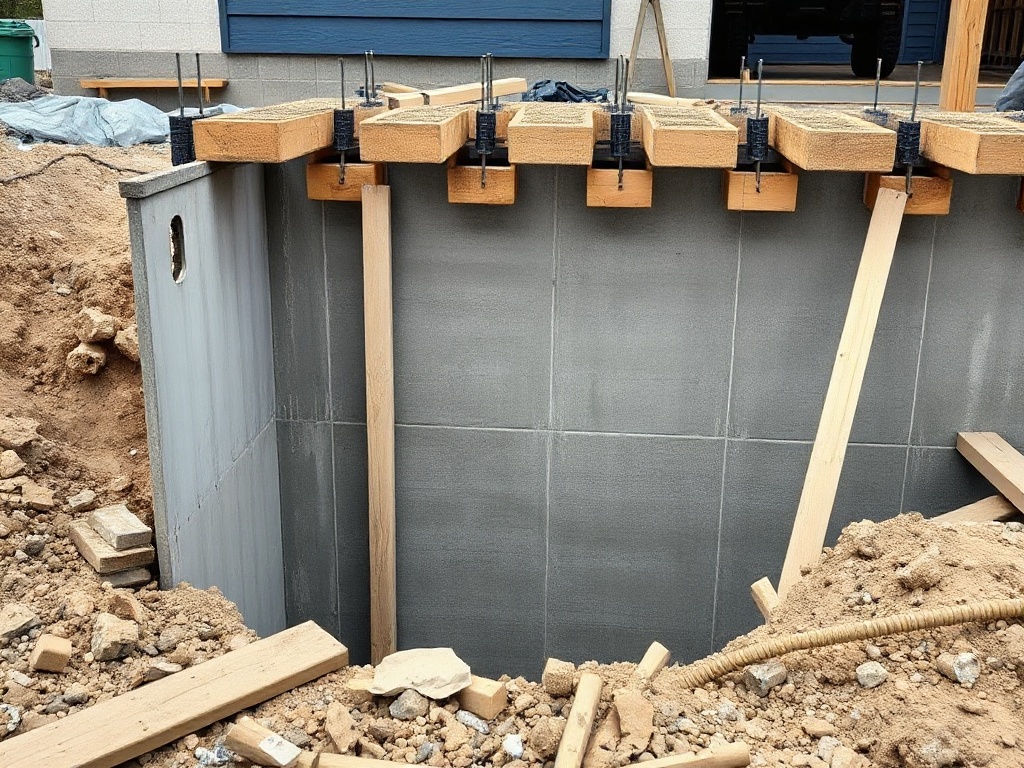
Concrete for Contractors
Two of our four crews are reserved for GCs. Footings, garage pads, and addition slabs on your schedule.
View service →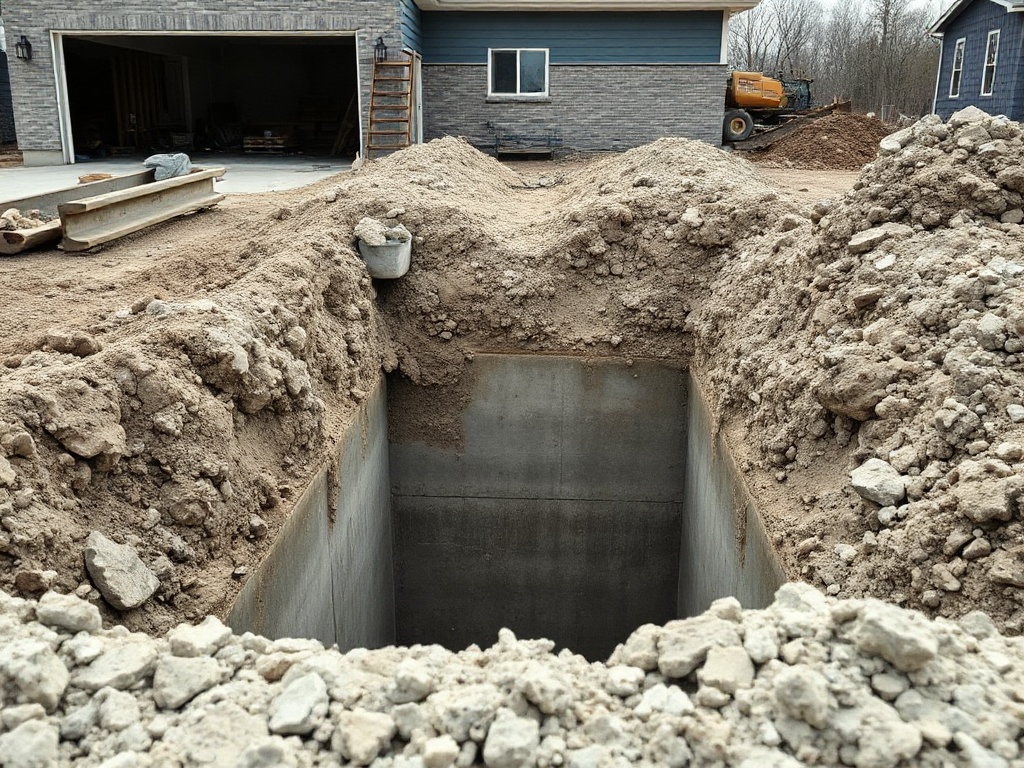
Footings & Structural Slabs
New footings below the 48-inch frost line, garage pads, and addition slabs. New pours only, not foundation repair.
View service →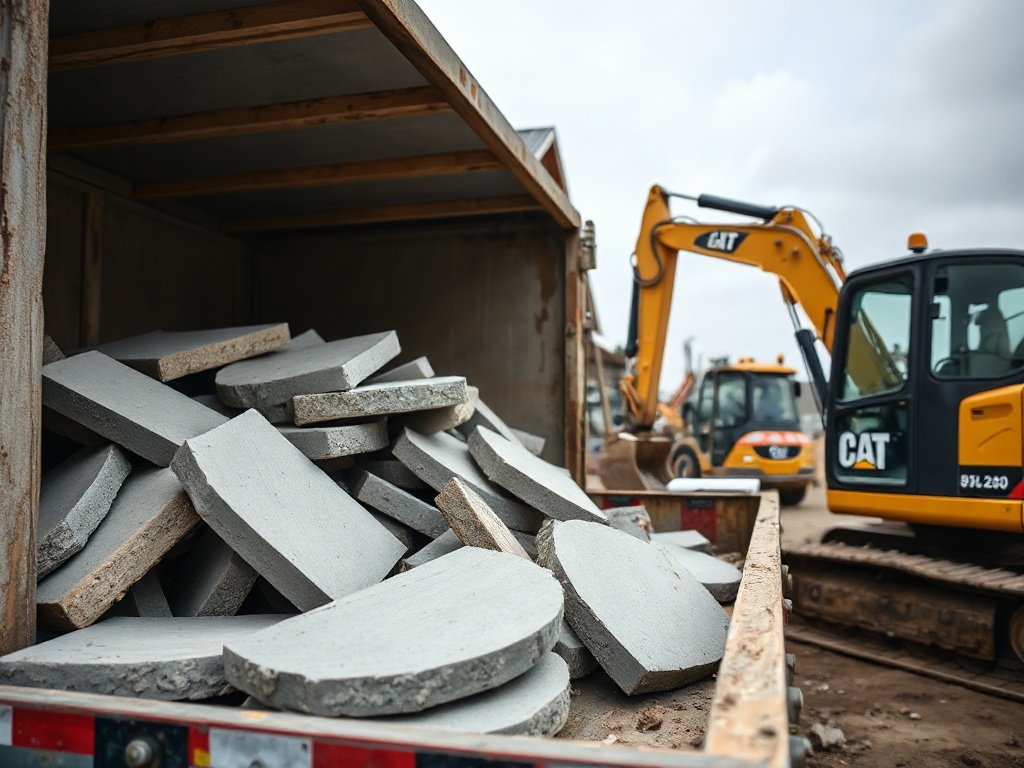
Demolition & Haul-Away
Garage teardowns, slab removal, and basement or garage cleanouts. We own the equipment and the dump trailers.
View service →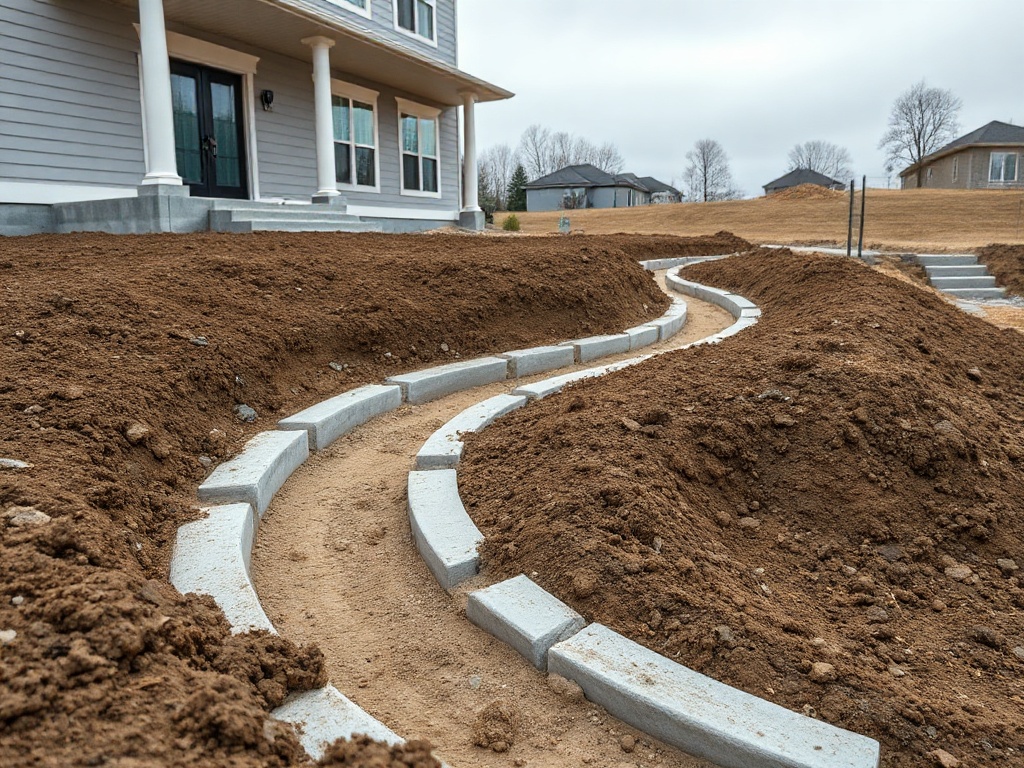
Grading & Drainage
Regrading and pitch correction that moves water away from your foundation, and the porch or step rebuild that often goes with it.
View service →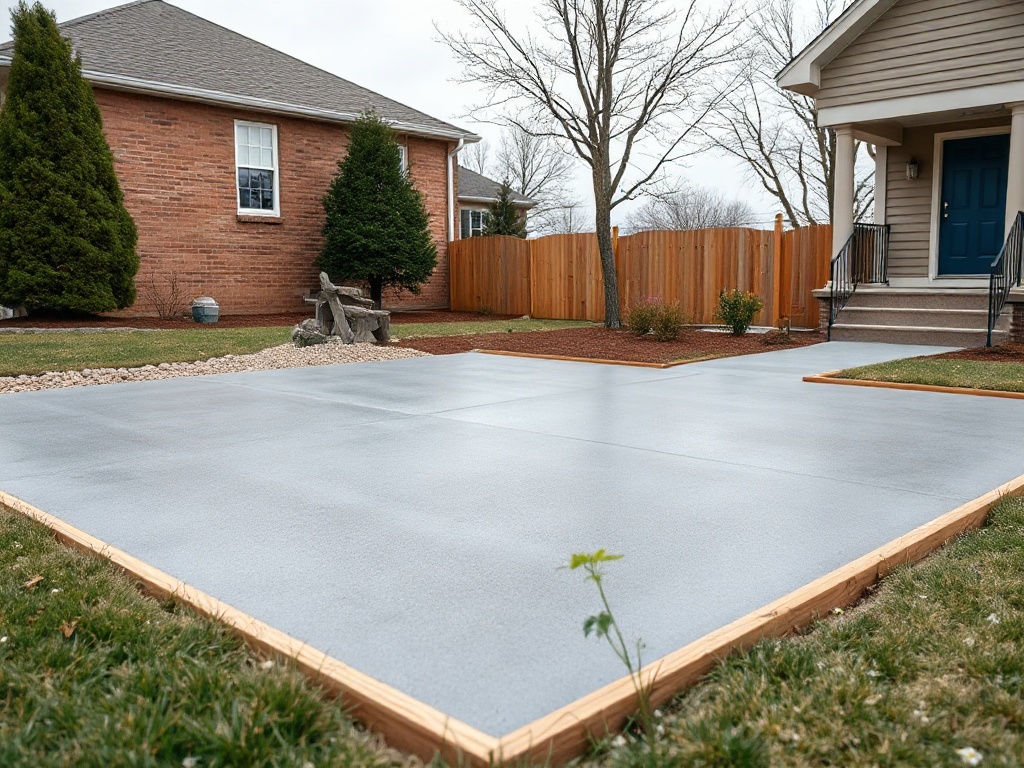
Shed & Hot Tub Pads
Reinforced pads for sheds, hot tubs and generators. Ready-mix short-load fees mean small pads carry a $3,200 minimum.
View service →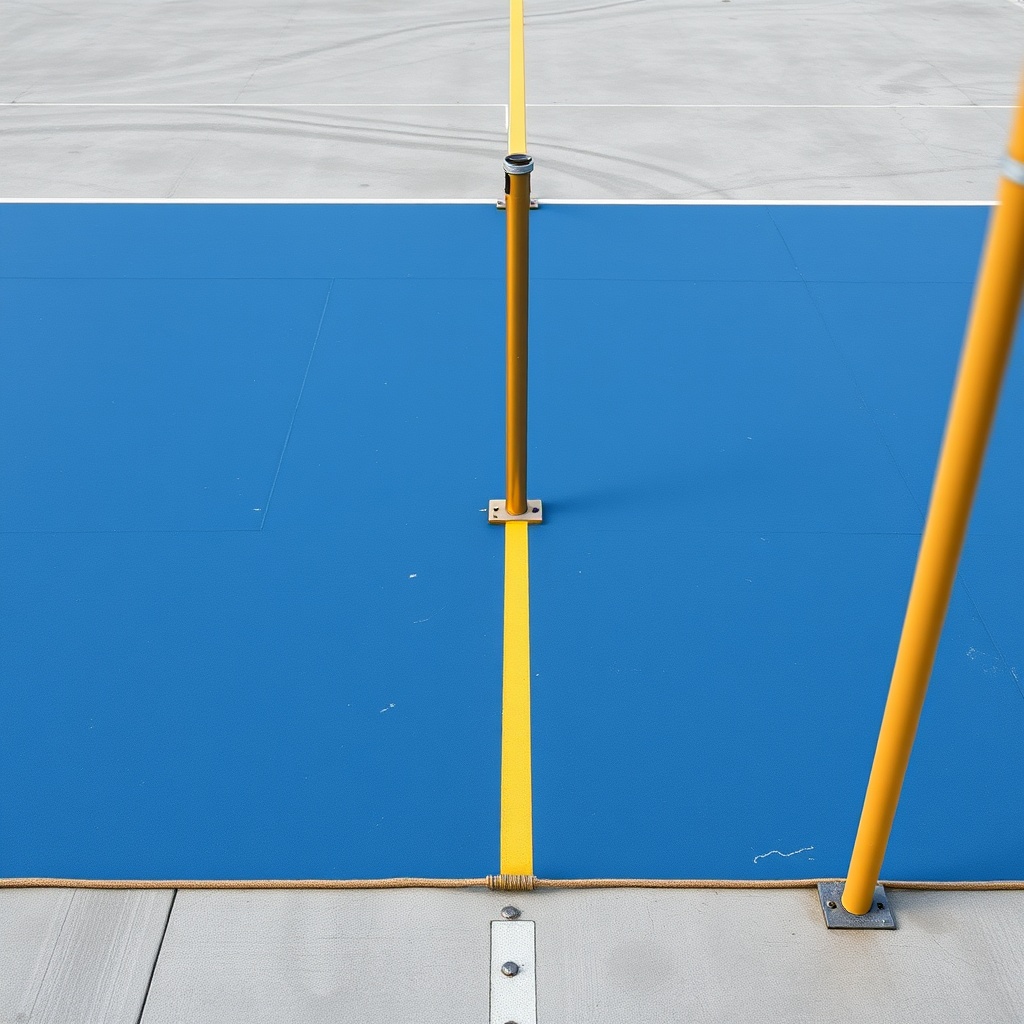
Pickleball Court Installation
Regulation backyard and community pickleball courts on a properly graded concrete base built for Western NY weather.
View service →Serving the Buffalo–Niagara Metro
Based in Buffalo, we pour across Erie and Niagara County. Tonawanda · Amherst · Cheektowaga · West Seneca · Lancaster · Orchard Park · Hamburg · Kenmore · All 19 Service Areas →